

Roofs may fail to be waterproofed for several reasons:
-
Poor design and installation of roof cladding
-
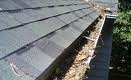
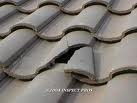
Lack of regular maintenance e.g. failure to clean out gutters, to unblock downpipes or repair broken tiles
-
Failure of materials or inappropriate use of dissimilar metals. All materials have a limited lifespan and decay at varying rates evident in fatigue cracks in lead flashings and corrosion underlaps of old corrugated iron roofing
Specific sources of moisture from faulty roof plumbing and flashings:
Valley gutters, parapets gutters and eaves gutters due to:
- Rusting and corrosion at joints
- Inadequate freeboard under roof coverings
- Failure of flashings
- Ponding and inadequate gradient
- Blockages
- Lack of adequate downpipes and sumps
Parapet and chimney flashings due to:
- Water penetration through the top of parapets or chimneys
- Failure of chimney tray flashings and damp proof courses
- Failure of edge and counter flashings
Downpipes and sumps due to:
- Blockages
- Unnecessary bends
- Inadequate fall
- Poor fixing and design
- Inadequate dimensions
Opening flashings:
Where flashings or weep holes are missing under sills or around openings, moisture may penetrate if in an exposed position. Timber sills begin to decay and the mortar around the window and door frames works loose, allowing water to enter the sides.